About BIRAG
BIRAG has been running, in various forms for over 20 years. In that time, we have hosted the event all around the UK. We welcome suggestions for venues.
The Board
-
Dr. George Nash is a research fellow at the Department of Archaeology and Anthropology, University of Bristol, an Associate Professor at the Museum of Prehistoric Art (Quaternary and Prehistory Geosciences Centre, Macao, Portugal) and a member of the teaching staff at IPT, Tomar, Portugal. George has been a professional archaeologist for the past 25 years and has undertaken extensive fieldwork on prehistoric rock-art and mobility art in Chile, Denmark, Indonesia, Israel, Malaysia, Norway, Sardinia, Spain and Sweden. Between 1994 and 1997 he directed excavations at the La Hougue Bie passage grave on Jersey, one of Europe’s largest Neolithic monuments and has recently directed preliminary trial excavations at Westminster Hall, London. He has also written and edited many books on prehistoric art and prehistoric monumentality including Status, Exchange and Mobility: Mesolithic Portable Art of Southern Scandinavia (1998), Signifying Place and Space: World Perspectives of Rock-art and Landscape (2000), and European Landscapes of Rock-art (2001), The Figured Landscapes of Rock-art: Looking at Pictures and Place, edited with Christopher Chippindale (2004), The Architecture of Death (2006), Art as Metaphor edited with Aron Mazel and Clive Waddington (2007) and the Archaeology of People and Territoriality (2009). In the recent past George has been involved in four major rock-art recording and interpretation projects in Penang, north-east Malaysia, the Valcamonica in northern Italy, looking at Iron Age house carvings, the megalithic rock art of the Irish Sea Province and the rock art of the Domus de Janus in Sardinia.
In Wales, he is the convener of the Welsh Rock art Organisation (WRAO) and has recently coordinated and directed a project which is part of the EU's Gestart Fund (commenced in July 2013 - 395,000 Euro). In addition to fieldwork, he has also written and presented programmes on European rock-art and contemporary graffiti for BBC Radio 4.
Since 2009 he has directed three field seasons at the Neolithic gallery grave in Dalancey Park, north of St Peter Port, Guernsey and a newly discovered Neolithic Portal Dolmen in South-west Wales called Trefael. In 2014, George also excavated the site of Perthi Duon in North Wales; yet another Neolithic burial-ritual monument!
In 2011 and part of his ongoing publishing commitments, George guest co-edited and published Arkeos (with Professor Luiz Oosterbeek of IPT) and was also part of an editorial team who published The Levantine Question: the rock art of the Spanish Levant (co-edited with José Julio García Arranz, Hipólito Collado Giraldo). From mid-2014, George undertook further fieldwork in NE Brazil, Israel, Italy and South Wales, and published chapters in several text books including the Global Encyclopaedia of Archaeology (Springer); the subject Rock art!
Apart for his academic career, George is currently part-time with SLR Consulting and is responsible for SLR’s built heritage capabilities. George has over 25 years’ experience within the heritage sector, employed by Babtie, Gifford & Partners and SLR Consulting. He has directed and project-managed a number high profile heritage projects. His commercial experience includes the project management of the A 465 Abergavenny to Hirwaun Dualling. Since 1998 George has directed a number of research projects including large medieval open area excavations in Salisbury and Southampton and road schemes in central and north Wales. Within the same period he was installed as Priory Archaeologist at St Mary's Priory Church, Abergavenny (George still holds this post). At St Mary's he undertook three major excavations (between 1998 and 2004) within the transept and nave areas of the church. Between 2002 and 2005 George was the field director of the Weobley Castle Project, Herefordshire, responsible for the excavation, standing building recording and publication of the project. The project was funded by the Local Heritage Initiative (LHI). A similar project commenced in October 2014 and will continue to run for the next three years (entitled: The Tilley Timber Project). This HLF granted project was confirmed in 2014. The project involves the dendrochronological analysis of 28 timber-framed buildings in North Shropshire. Over 80% of buildings, present on an estate map of 1631 survive. 50% of the results are now in and have revealed several interesting patterns in terms of the late medieval development of the village. The HLF awarded the project £65,500 (total match-funding of £130,000).
Also in the news is that I am now half way through a Cadw award to sample potential applied haematite spreads using Raman Spectrometry and SEM from several caves in South Wales. Welsh heritage agency Cadw have also awarded me a grant to sample Cathole Cave again, but this time using Raman Spectrometry, SEM, lipid analysis and Uranium Series dating methods on a large panel in the main galley. The Raman results are now in and the samples taken are haematite; next is SEM and Lipids - Onwards!
Throughout March/April 2016 I was engaged in preliminary fieldwork in the Golan Heights and the Central Negev of Israel - this work is in advance of a potential major funded project that will occur in 2017-19 (co-directed with Dr Davida Eisenberg-Degen). Research includes observations on schematic rock art assemblages associated with megalithic chambered tombs and on rock outcropping. It is hoped that the Journal of Arid Environments will be published as a special issue on Rock art in Arid and Semiarid Regions (this edition is edited by myself and colleagues Ben Gurion University and the Antiquities Service in Israel). In 2017, I will be one of four project leaders involved in an anthropological survey of the western Pacific (funded by a North American Institution and National Geographic). It's going to a busy old year!
Breaking news, I am one of 15 World specialists invited by UNESCO to attend a specially-convened meeting to discuss conservation, heritage, memory and dialogue: The venue: Ulaabaatar, Mongolia; Late May 2016.
Awards:Mortimer Wheeler Award, Society of Antiquaries, London (1993)
Local Heritage Initiative (LHI) for The Weobley Castle Project (2002-07)
Pembrokeshire National Park Award for Trefael (2012/13)
Gestart Project, EU Project administered from IPT, Portugal (2013-15)
Heritage Lottery Fund for Tilley Timber Project, Shropshire (2013-17)
Cadw Awards for Cathole Cave (2011 and 2014-16)
Research Countries:Rock art in Central Coastal Norway and SW Sweden (1994 to 2008)
Vadastra Project in SE Romania (2002 to 2005)
Rock art in the Valcamonica (2005 to 2012)
Rock art in Central Portugal (2010 to Present)
Agri-tourism project in North-west Sardinia (2010 to 2013)
Rock art at Cathole Cave, Gower, South Wales (2010 to Present)
Rock art in the Limari Valley, Central Chile (2013 to Present)
Rock art in the Negev Desert, Israel (2014 to 2016)
Megalithic Monuments within the Golan Heights, Israel (2016 to 2018)
Research Projects:Excavation programme at La Hougue Bie, Jersey (1994 to 1997)
Excavation programme at Trefael, Pembrokeshire (2009 to 2013)
Excavation programme at Delancey Park, Guernsey (2009 to 2012)
Landscape Survey on Rhossili Down, The Gower (2009 to 2011)
Excavation programme at Perthi Duon, Anglesey (2013 to 2015)
3D Point-Cloud Survey of Cathole Cave, Gower (2013)
Book Publications
CHILDREN, G. & NASH, G.H. 1994. The Prehistory of Herefordshire: Monuments in the Landscape Vol. 1. Trinity Press.
CHILDREN, G. & NASH, G.H. 1997. The Neolithic of Carmarthenshire, Cardiganshire and Pembrokeshire. Vol. 5. Logaston Press.
CHILDREN, G. & NASH, G.H. 2001. Monuments in the Landscape: The Prehistory of Breconshire, Vol. 7. Logaston Press.
CHIPPENDALE, C. & NASH, G.H. (eds.) 2004. Figurative Landscapes of Rock Art. Cambridge: Cambridge University Press.
GARCÍA ARRANZ, J.J., COLLADO GIRALDO, H. & NASH, G.H. (eds.) 2012. El problema “Levantino”: Arte rupestre postpaleolitico en le Peninsula Ibérica. Bucharest: Archaeolingua.
GHEORGHIU, D. & NASH, G.H. (eds.) 2007. The Archaeology of Fire: Understanding Fire as Material Culture. Budapest: Archaeolingua.
NASH, G.H. & GHEORGHIU, D., 2013. Place as Material Culture: Objects, Geographies and the construction of Time. Newcastle: CSP.
MAZEL, A, NASH, G.H. & WADDINGTON, C. (eds.) 2007. Metaphor as Art: The Prehistoric Rock-art of Britain. Oxford: Archaeopress.
NASH, G.H. 1998. Status, Exchange and Mobility: Portable Art in the Scandinavian Mesolithic. Oxford: BAR International Series 710.
NASH, G.H. 2006. The Architecture of Death: The Neolithic Chambered Monuments of Wales, Logaston.
NASH, G.H. 2015. European Rock Art: A Collection of Papers. Marlborough Press.
NASH, G.H. 2015. An Anatomy of a Priory Church: The Archaeology, History and Conservation of St Mary’s Priory Church, Abergavenny, Monmouthshire. Archaeopress.
NASH, G.H. & CHIPPINDALE C. 2002 (eds.). European Landscapes of Rock-Art. London: Routledge.
NASH, G.H. & TOWNSEND, A., 2015 (eds.). Decoding Neolithic Atlantic and Mediterranean Islands. Oxford: Oxbow Books.
OOSTERBEEK, L. & NASH, G.H. (eds.) 2011. Landscape as rock-art. Arkeos No. 29. University of Tomar, Portugal.
-
Aron Mazel is a Reader in Heritage Studies in Media, Culture, Heritage at Newcastle University and a Research Associate in the School of Geography, Archaeology and Environmental Sciences at the University of the Witwatersrand. Aron had a 25-year career in archaeological research and heritage and museum management in South Africa (SA) before moving to the United Kingdom (UK) in 2002. Management posts he has held include Assistant Director of the Natal Museum (1994-1997), Director of the South African Cultural History Museum (1998-2002), and Director of the International Centre for Cultural and Heritage Studies, Newcastle University (2012-2015). His publications have comprised archaeological investigations, including rock-art; museum and archaeology histories; digital heritage; and the safeguarding and interpretation of tangible and intangible cultural heritage.
In terms of rock art, Aron has done extensive recording of rock paintings in the uKhahlamba-Drakensberg (South Africa) and carved panels in Northumberland (UK). His rock-art publications have included the management and public presentation of rock art, the distribution of different painted themes, the role of acoustics in the location of rock-art, domestic animals in rock-art, animal seasonality, colonial rock-art, chronology and dating, and integrating rock-art with excavation datasets to improve our understanding of hunter-gatherer history.
-
Charlotte Vendome-Gardner is an archaeology PhD student at the University of Exeter, England, whose research focuses on rock art, landscape-based approaches, and indigenous and community engagement. She was recently promoted to Chair for the Society for American Archaeologies Rock Art Interest Group (RAIG) and one of three committee members for the British Rock Art Group (BRAG), promoting the use of inclusive models of study, the value of rock art and its engagement with both academics and the public. Charlotte has a growing number of publications and has both chaired and presented on her chosen specialisms at a range of international conferences, including The Society for American Archaeology and the European Association of Archaeologists.
The History of BIRAG (BRAG)
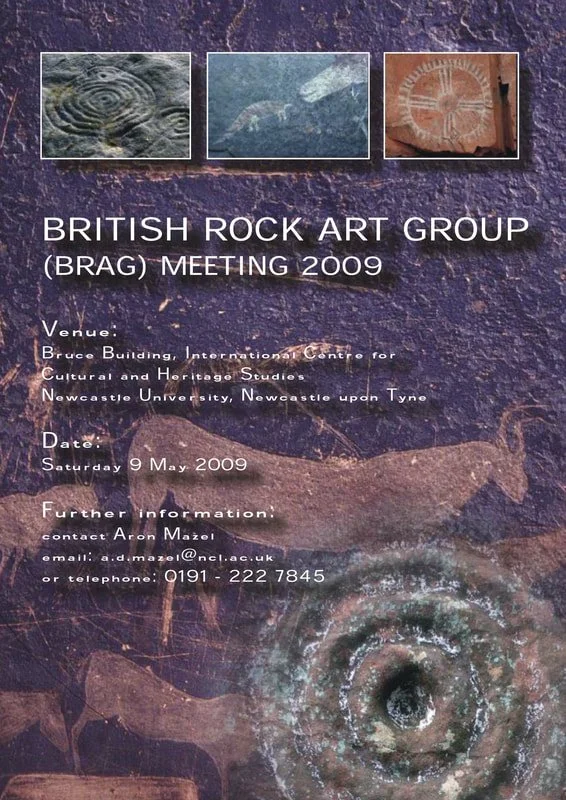
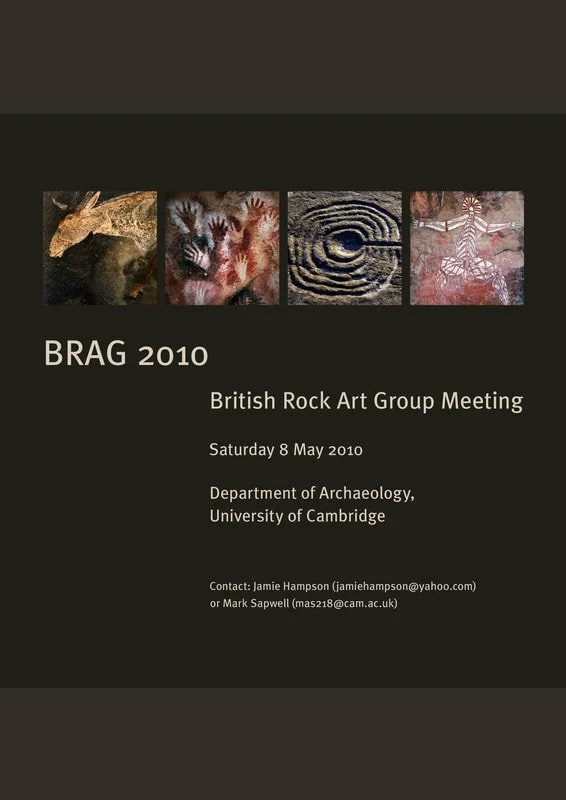
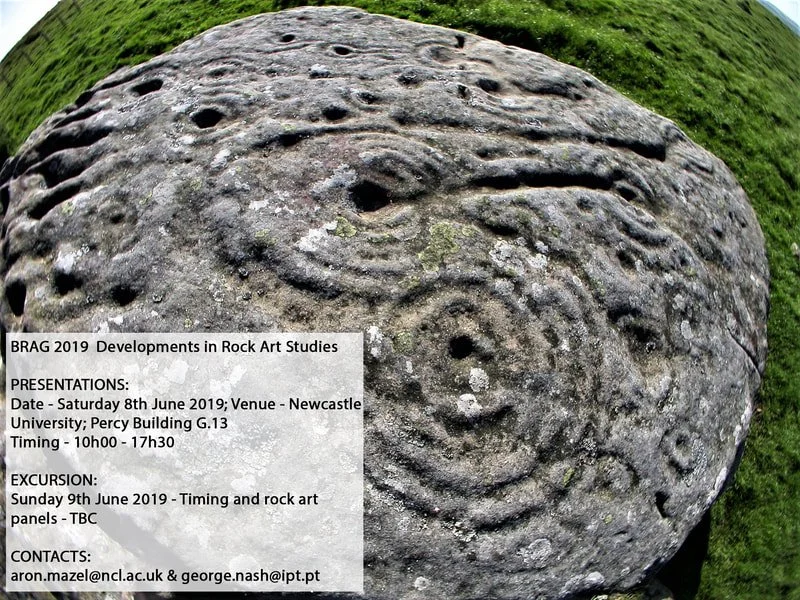
British Rock Art Group (BRAG) has recently celebrated its 23rd birthday. Affectionately known as BRAG, it has been in existence since 2003. The origins of BRAG are rooted in CRAG (Cambridge Rock Art Group) which was conceived in the late 1990's. The CRAG meetings were organised by Christopher Chippindale, Jamie Hampson and Liliana Janik. Owing to its popularity it became clear that CRAG should grow its remit and expand into the ‘provinces’.
From the early BRAG days, it was considered a good idea to meet annually at the universities of Bristol, Cambridge and Newcastle; one university each year and on a roughly cyclical basis.
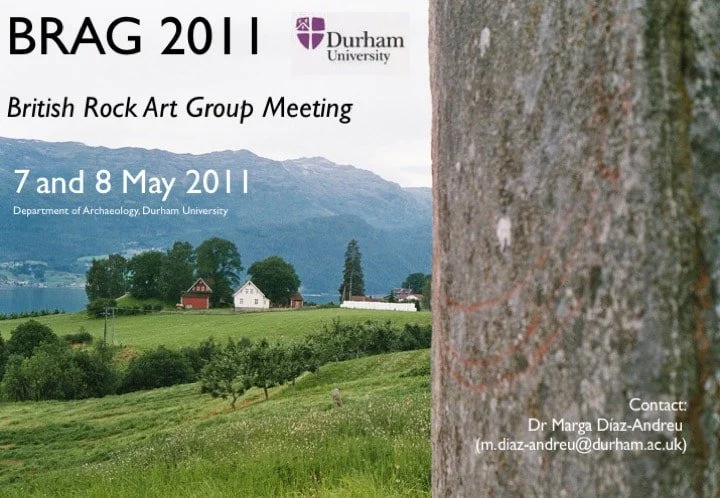
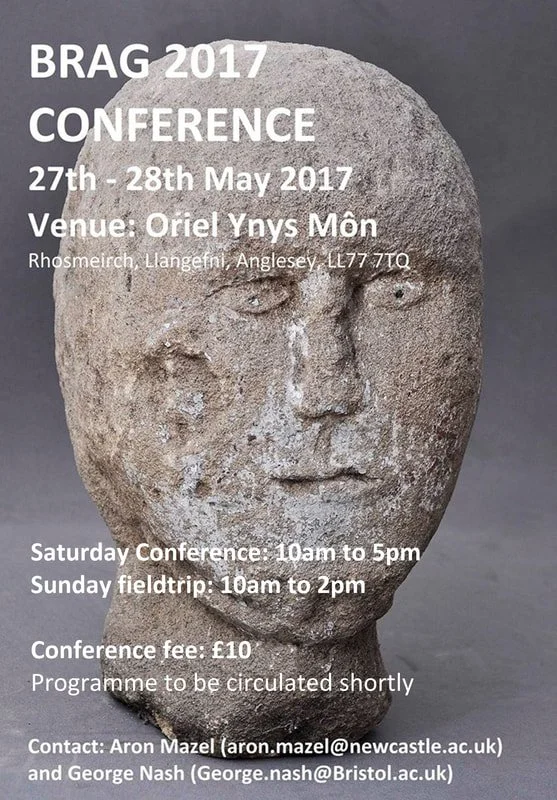
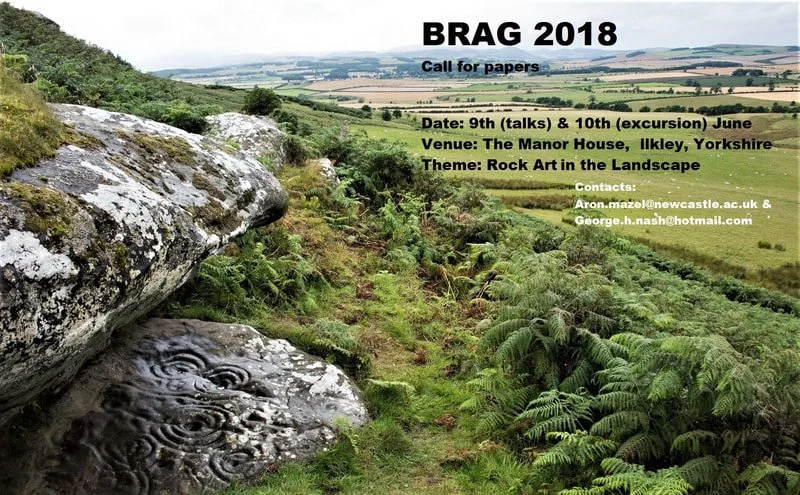
When BRAG fell into the hands of the current committee (George Nash and Aron Mazel) the three-way university arrangement was expanded to include meetings at Durham University, Queens University Belfast, Edinburgh University and Liverpool University. More recently, venues have also been chosen close to rock art areas and have included meetings in Anglesey (Oriel Ynys Mon Museum) and Yorkshire (Manor House Museum, Ilkley). This expansion of venues has encouraged a more diverse audience to attend, including people who would not normally travel out of their home areas to attend a BRAG meeting.
The subject matter at the meetings has varied considerably over the years, striking a happy medium between British and international research. International research has included presentations on the interpretation of the rock art of, for example, Australia, Armenia, Brazil, Canada, Chile, Egypt, India, Ireland, Israel, Libya, New Zealand, Norway, South Africa, and Sweden. A wide international spread! Several delegates have also boldly ventured into the realms of modern graffiti and street art, while others have addressed the deterioration of rock art and management requirements.
BRAG speakers have generally been post-graduate students and university academics but has also included independent and avocational archaeologists involved in rock art research. It has been particularly useful for post-graduate students and it has provided them with a ‘safe’ opportunity to obtain experience of public speaking.
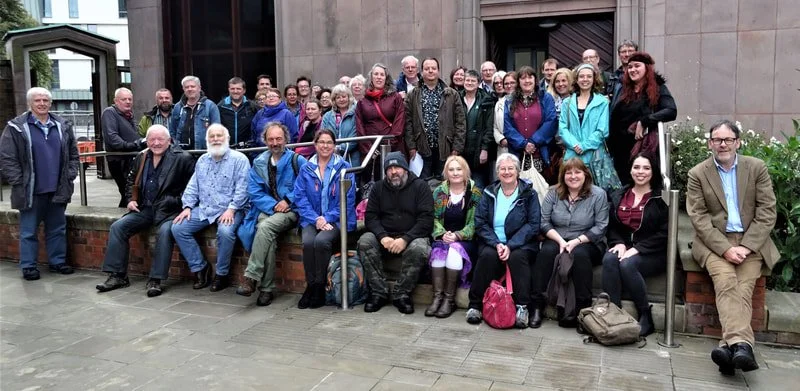
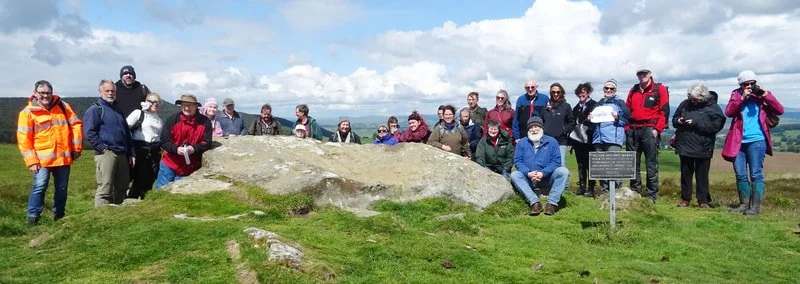
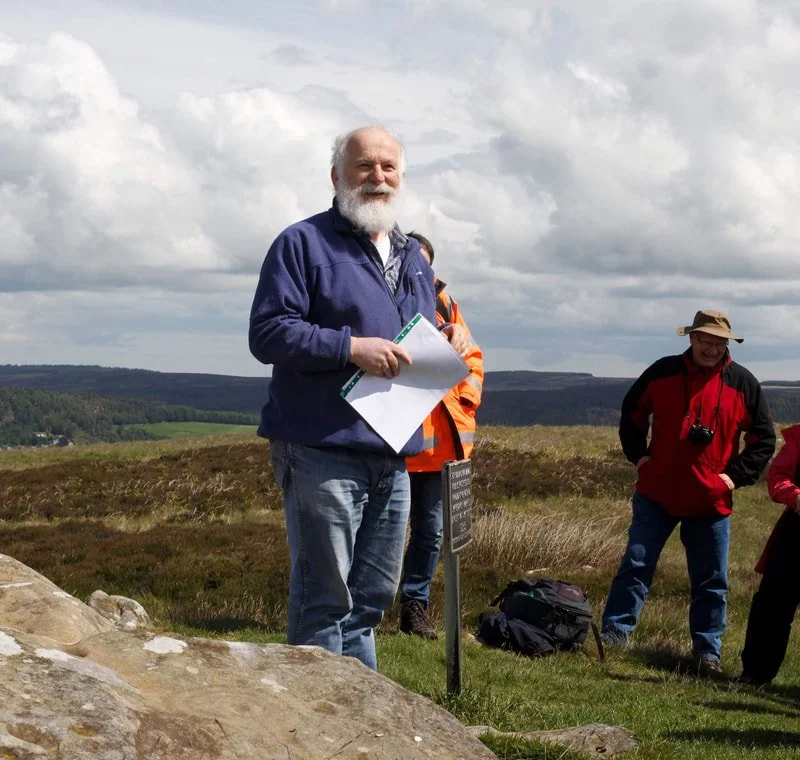
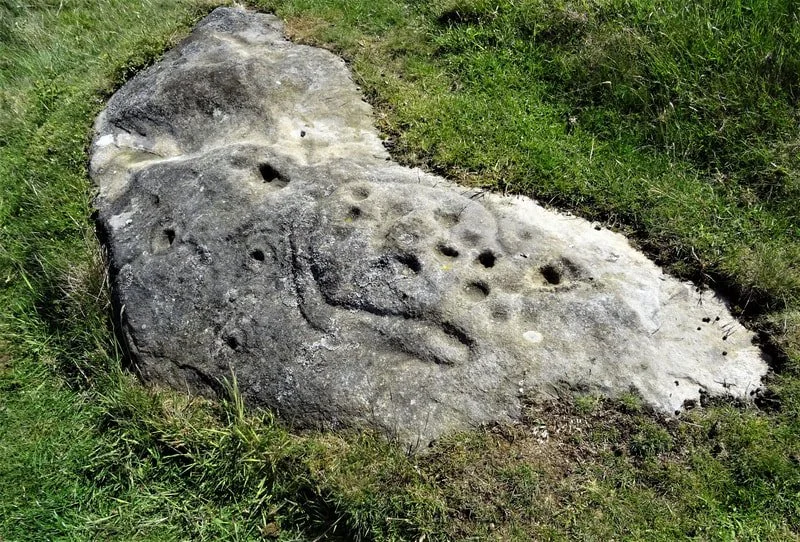
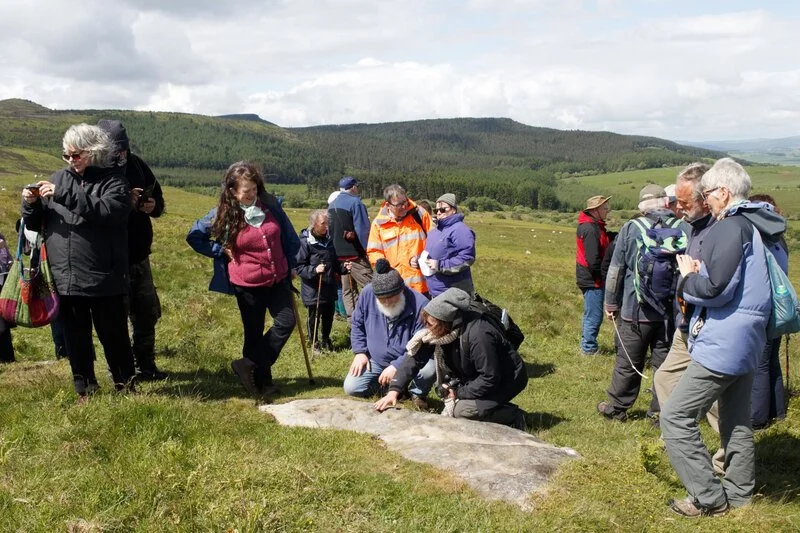
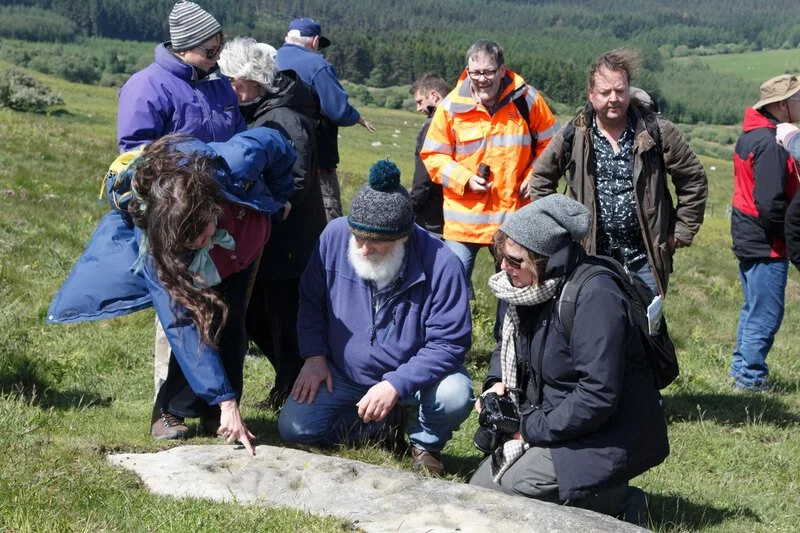
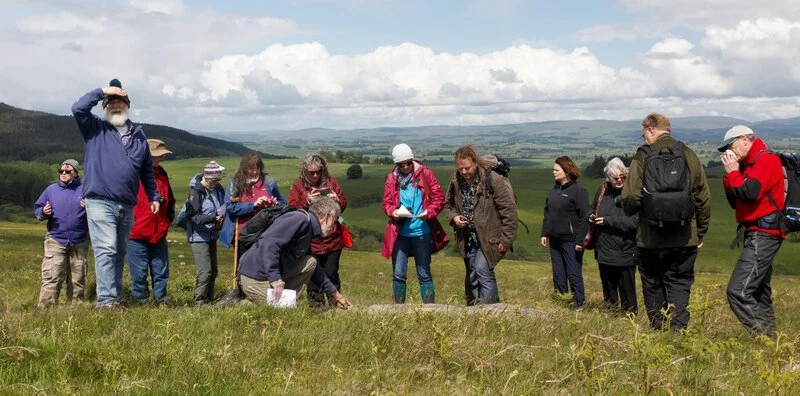
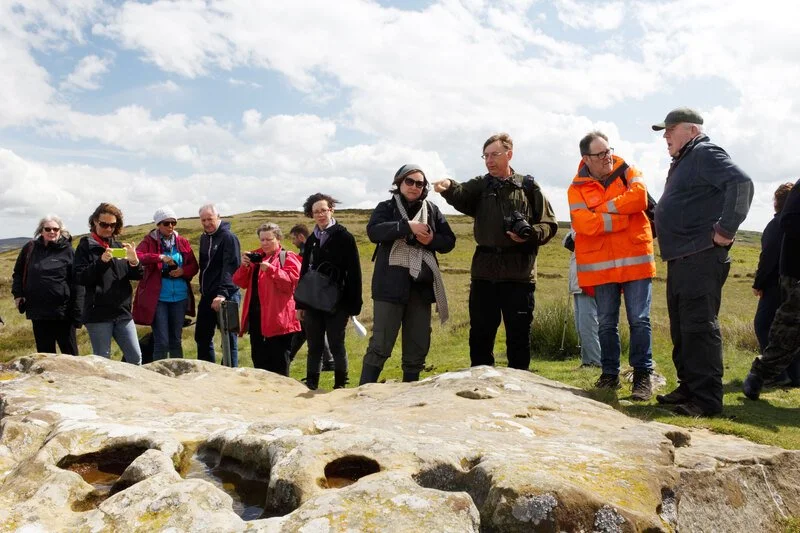
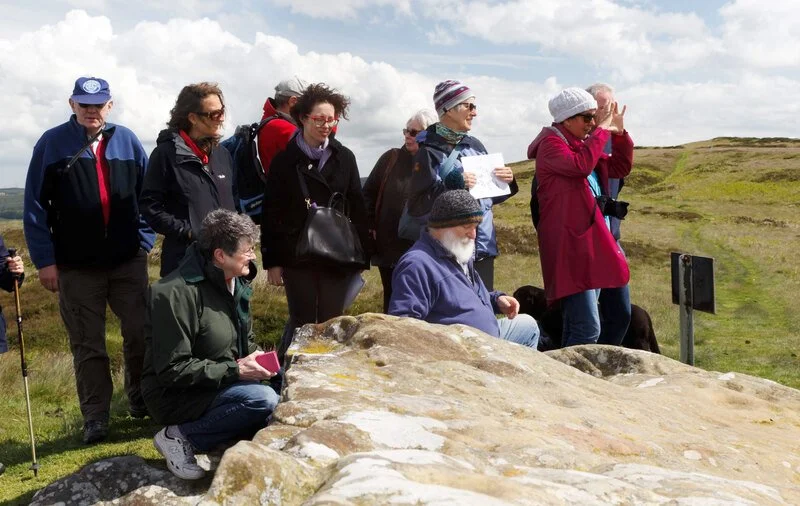
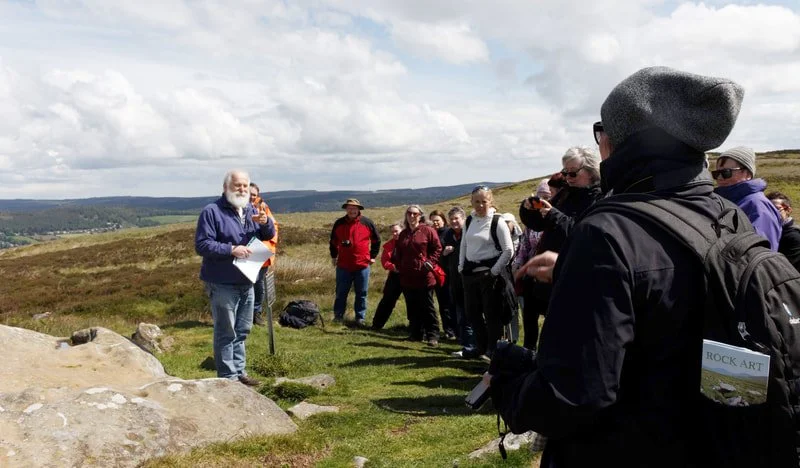
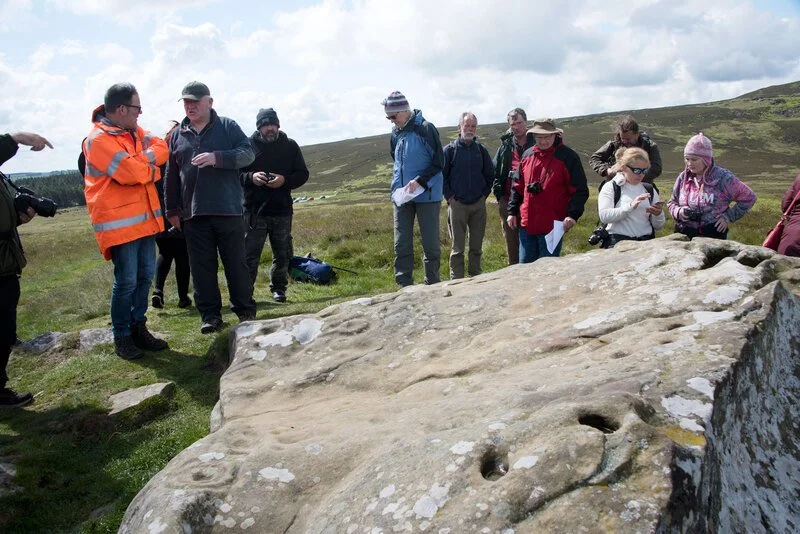
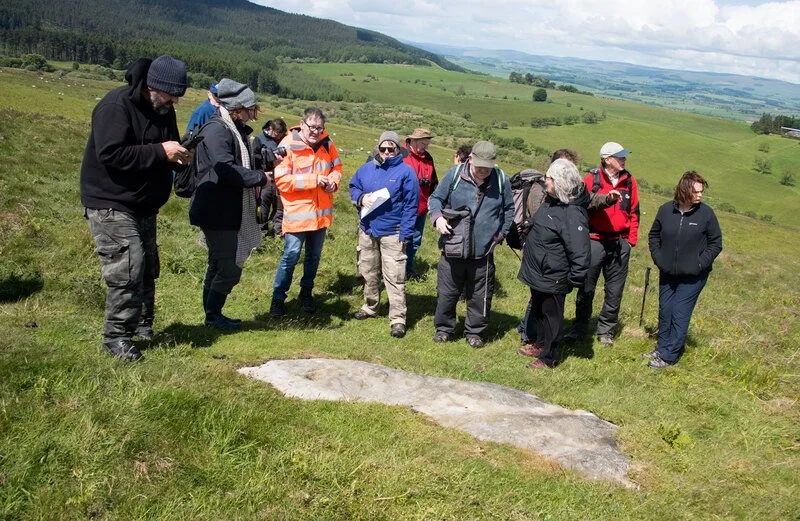
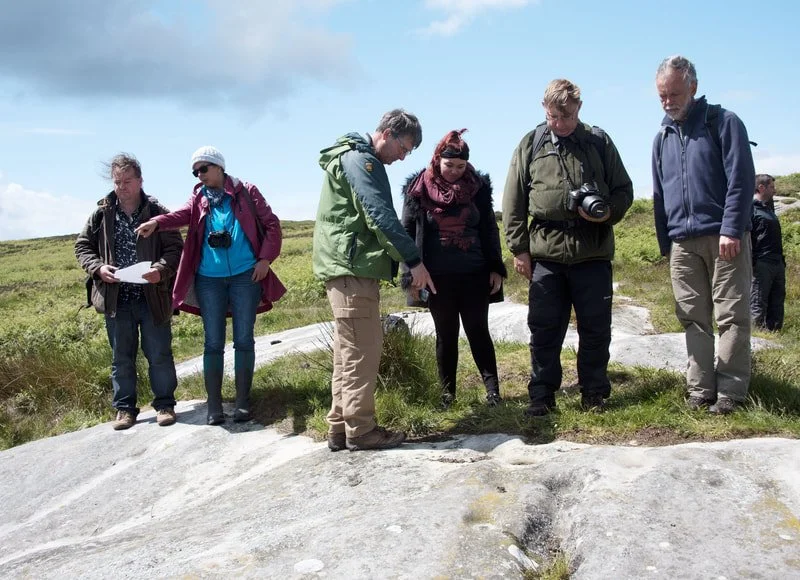
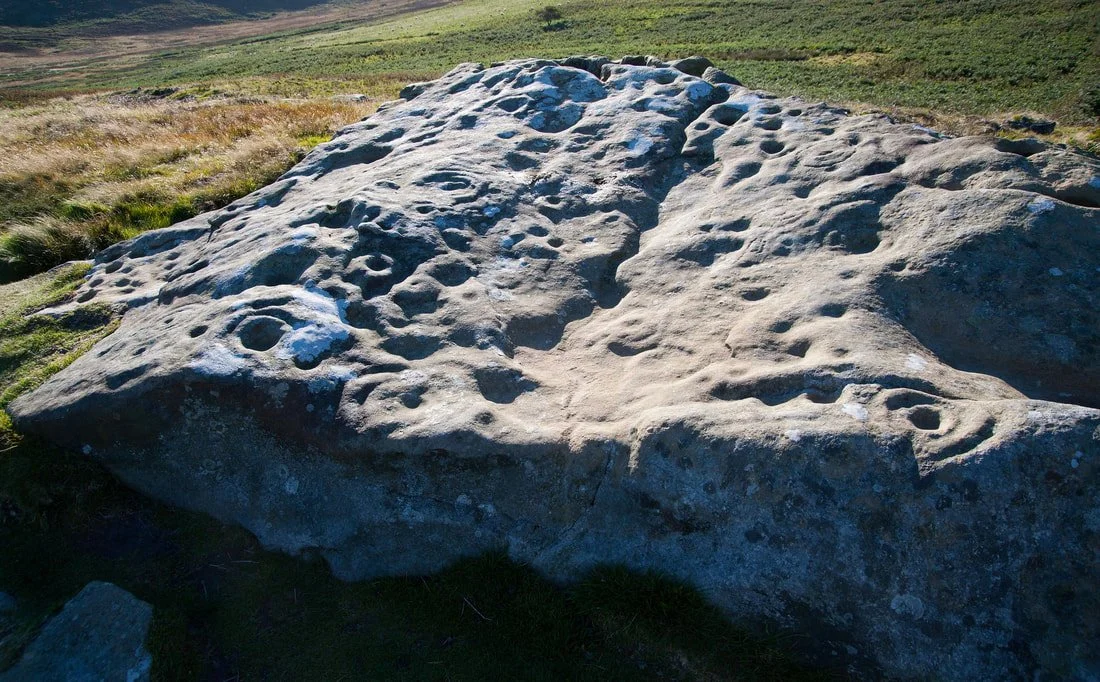
The BRAG meetings usually run over two days; the Saturday is devoted to lectures and the Sunday involves a field trip to local rock art areas. In addition, we encourage archaeological publishing companies to provide attendees with their list of rock art books; these companies usually offer generous discounts on their books.
We are aware of the sometimes high cost of attending a conference and therefore we try to keep the conference fee to a minimum.